Reasons to Blog in 2025 (and Why I Still Bet on It)
Table of Contents
In 2025, I watched a friend pour hours into short videos, only to see their reach drop overnight. No warning, no appeal, just a quiet algorithm shift. That’s the moment I remembered why I keep coming back to a blog.
If you’re asking why start blogging when search results show answers right on Google and AI can write drafts in seconds, you’re not behind. You’re early to the next version of blogging, where your site works like a home base, not a diary.
Blogging in 2025 isn’t about “posting more.” It’s about building something you can own, measure, and grow, even when platforms change the rules.
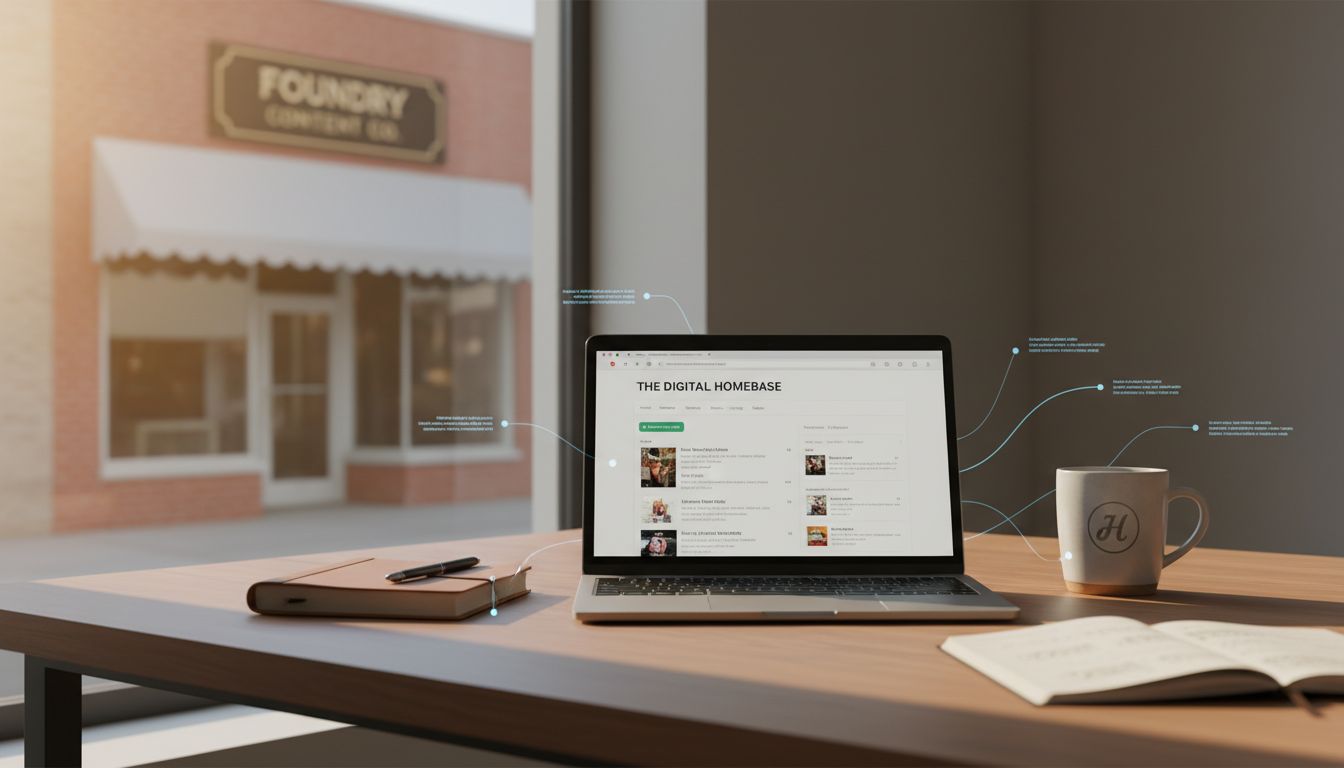
A blog is still the best “home base” you can own
Social platforms are like renting a booth at a busy market. You might get foot traffic, but the landlord can move you, mute you, or raise the rent. A blog is more like owning a small shop on a street you control. It takes longer to build, but it doesn’t vanish when the feed changes.
This matters more now because of zero-click searches. People often get quick answers without visiting a site. That sounds scary, yet it also pushes me to write posts that earn the click. I focus on things that can’t be fully answered in a snippet, like real examples, photos, templates, and my honest pros and cons.
The audience is still there, too. The web is crowded, with 600 million blogs and millions of posts published daily, according to this State of Blogging 2025 stats breakdown. Crowded doesn’t mean dead, it means you need a clearer point of view.
Here’s what I’ve found works well in 2025:
- Write for depth, not headlines. “How I did it” beats “What is it.”
- Turn readers into subscribers. A simple newsletter opt-in gives you a direct line later.
- Build trust on-page. Add an author bio, show your process, and cite sources. That’s the practical side of E-E-A-T.
When I treat my blog like the center of my content system (newsletter, YouTube, LinkedIn, whatever), everything else gets easier to manage.
Blogging ROI is real, but you need a realistic runway
Some people start a blog expecting quick money. I get it. Bills don’t wait. Still, blogging tends to pay back like compound interest, slow at first, then noticeable if you stick with it.
Creator income is also uneven, and that’s not a secret. In this 2025 creator monetization survey, only 9% of respondents made over $100k, while nearly half earned under $500. To me, that’s not discouraging, it’s clarity. The creators who win usually treat their blog like a system, not a lottery ticket.
Before you pick a monetization path, it helps to compare what “first dollars” typically look like. This is the quick way I think about it:
| Monetization path | Best for | Typical time to first $ | Main trade-off |
|---|---|---|---|
| Services (freelance, coaching) | Fast validation | 1 to 4 weeks | You trade time for money |
| Affiliate content | Intent-driven posts | 2 to 6 months | Needs trust and good tracking |
| Digital products | Audience with a problem | 3 to 9 months | Requires support and updates |
| Ads | High traffic sites | 6 to 18 months | Needs scale, RPMs can fluctuate |
| Sponsorships | Clear niche authority | 6 to 12 months | You become “bookable,” not viral |
My rule: if I can’t explain how a post helps someone take action, I don’t publish it.
Also, blogging has costs. Hosting, tools, maybe a theme, and definitely your time. In exchange, you get an asset that keeps working while you sleep. That’s a trade I’ll take, as long as I commit to a 6 to 12-month timeline for search traffic to really stack up.
AI-assisted blogging makes consistency possible (if you keep the “human” parts)
In 2025, I stopped treating AI like a writer and started using it like a helpful assistant. That shift changed my output without wrecking my voice.
A lot of creators are doing the same. AI use has surged in blogging workflows, as reported in this 2025 blogging report on AI adoption. That doesn’t mean “press button, publish.” It means more people can finally stay consistent.
My workflow looks like this:
- Use AI for prep: topic angles, outline, FAQs, and a first draft.
- Add experience: what I tried, what failed, screenshots, real steps, and better wording.
- Fact-check anything that smells specific: prices, dates, claims, tool limits.
- Edit for clarity: shorter sentences, fewer filler words, stronger structure.
If you’re building on WordPress, you can speed this up with tools built for creators. I keep a shortlist of AI tools for WordPress bloggers because writing is only one part of publishing. You’ll also want help with internal linking, formatting, image compression, and basic on-page SEO.
Finally, don’t ignore the “trust signals” side of blogging. Add author pages, update old posts, and show your sources. That’s how you stay useful when AI summaries get more common.
My simple 2025 starter plan (first 60 days)
When I restart a blog, I keep it boring on purpose:
- Week 1: Choose a niche you can explain in one sentence, set up the site, and publish one “start here” post.
- Weeks 2 to 4: Publish 4 helpful posts aimed at beginners (the questions you answer repeatedly).
- Weeks 5 to 8: Publish 4 “comparison” or “best for” posts that match buying or decision intent.
If you need the technical setup, I’d follow a clear WordPress guide like this one on how to start a WordPress blog. Then I’d connect measurement on day one: Google Search Console, analytics, and a simple spreadsheet for post URLs and dates. For search basics, I rely on this practical checklist of WordPress SEO tips.
For content direction, I sanity-check trends and benchmarks using a data-heavy roundup like Essential Blogging Statistics 2025, then I pick a lane and publish.
Conclusion: blogging in 2025 is slower, but it’s sturdier
Blogging still works in 2025, but it rewards patience and proof, not hype. I start because I want an owned platform, a compounding traffic source, and a place to build real trust. If you can commit to six months of steady publishing and learning, you’ll feel the momentum.
If you’ve been waiting for the “perfect time,” this is it. Pick a niche, publish your first post, and let consistency do its quiet work.