Top Reasons to Have a Blog That Go Beyond Social Media
Table of Contents
A social post can fade before lunch. A helpful blog post can keep pulling in readers for months.
I’ve seen business owners building a personal brand pour time into Instagram, LinkedIn, and email, yet still struggle to explain what they do in one clear place. That’s why I keep coming back to a blog. It gives you an asset you own, not a feed you borrow.
For beginners looking to start a blog, that’s huge, because you don’t need to be everywhere on social media at once. If you’re wondering whether blogging still matters in 2026, it does, because it supports every other channel you use. Beyond business, blogging provides a creative outlet and fosters personal growth.
Your blog is the one platform you truly control
When I look at the best reasons to have a standalone blog, control comes first. Social profiles matter, but algorithms can bury good work overnight. A standalone blog lets you publish on your terms. Your best ideas, service pages, case studies, FAQs, and story can live together in one home, starting with selecting hosting and domain for your new online business.
For a small business or lifestyle business, that means answering buyer questions before the first call. A roofer can explain repair costs. A bakery can show how custom orders work. A freelancer can walk through their process and set expectations early. These small businesses thrive with fresh content, saving time on both sides.
Social media is rented land. Your blog is property you build on.
A blog also gives your other marketing a place to land. Your newsletter needs links worth clicking. Your social media posts need something deeper behind them. Even short-form video works better when it points people to a useful article, generating website traffic from social media.
If you’re ready to build that home base, SmartWP has a beginner-friendly guide on how to start a blog. I like this approach because WordPress gives you room to grow instead of boxing you into one format.
That long shelf life matters, too. Unlike a post buried in a feed, a good article can show up in search, get shared in email, and answer the same question a hundred times without extra work from you. Over time, your blog becomes a library that keeps helping people long after publish day.
Blogging builds trust and supports search
Trust is hard to win in a crowded market. A blog helps because it lets you teach before you ask for the sale. Consistent blogging builds trust, and I’ve watched one solid article do more for trust than weeks of short updates. It also improves your writing skills over time.
When I read a useful post from a business, I relax. It helps them establish authority and shows they are an expert in their field. I can see how they think. I get a feel for their standards. That matters whether I’m hiring a designer, choosing software, or following a creator.
A consultant can publish a breakdown of common mistakes. A photographer can explain how to prepare for a shoot. A creator can share honest reviews and behind-the-scenes lessons to build their personal brand and boost website traffic. Each post becomes proof that you know your craft and can explain it clearly. Consistent blogging also hones your writing skills.

Blogging also supports search engine optimization in a way social media rarely can. In 2026, people still open Google when they want an answer now. Search traffic has stronger intent, because the reader is already looking for help. That’s why helpful articles keep paying off over time. That’s also why blogging still sits at the center of search engine optimization. The small business case for blogging makes that point well.
When you start a blog, one post can feed your full content strategy. You can repurpose content into a newsletter, a LinkedIn post on social media, a short video outline, and a sales follow-up link. This creates networking opportunities and amplifies your reach on social media. That’s less pressure to invent new content from scratch. If you run WordPress, SmartWP’s list of essential plugins to boost your blog can help with SEO, speed, and security, so your posts work harder once they’re live.
A blog can turn attention into leads and sales
The best reasons to have a blog aren’t only about traffic or image. A blog can help you make money online in clear, practical ways. It can bring leads, qualify buyers, support product sales, generate passive income, and build an email list at the same time.
I’ve seen service businesses use blog posts to warm up leads before the first call. A designer can answer pricing questions. A coach can post beginner advice and move readers toward a program. A shop owner can write buying guides that reduce doubt. By the time someone reaches out, they already know the basics.
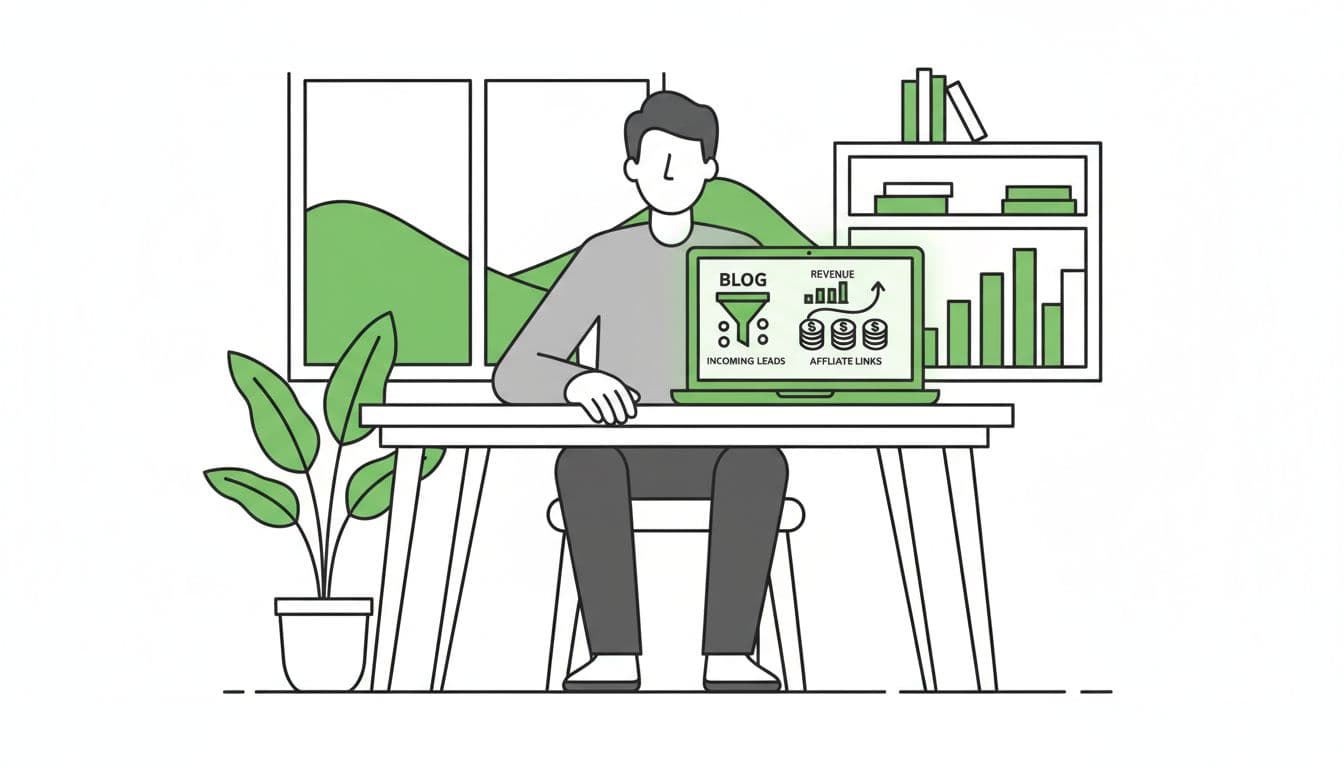
Creators can use blogs the same way with affiliate marketing. One article can recommend tools, collect affiliate income, sell templates, promote a course, or support a sponsor pitch. Shopify’s guide to ways blogs make money shows how wide the range can be for a professional blog.
The part I like most is the compounding effect. A social post is a spark. A good blog post is a candle that keeps burning. It can rank in search with search engine optimization, get shared in email, attract links, and keep answering questions while you sleep.
If I were starting today, I’d keep it simple to monetize a blog and build an online business:
- Pick one target audience problem and answer it better than anyone else to sharpen your writing skills.
- Commit to consistent blogging on a steady schedule, even if that’s only twice a month.
- Add one next step on every post, like an email signup or contact form.
- Watch what gets clicks and replies, then write the next post from that signal to build your writing skills through consistent blogging.
Those small moves turn a blog from a side project into a real lifestyle business asset for your online business. And because it connects with social, email, and search, it doesn’t compete with your marketing mix, it strengthens your online business and lifestyle business.
A blog keeps working after you hit publish. That’s why the strongest reasons to have a blog still matter in 2026, even potentially leading to a book deal from a professional blog.
You get a home base, more trust, more chances to get found in search, and content that can lead to sales over time for your online business. Small steps compound faster than you think.
Start with one useful post this week to start a blog.
What question does your target audience ask all the time? Write that answer first with human content to connect with your target audience, and let your blog earn its place as you start a blog.