Michigan Hiking Trails I Keep Coming Back To
Table of Contents
If you’re looking for michigan hiking trails that feel like a greatest-hits album, Michigan delivers. One weekend I’m climbing a sandy ridge above Lake Michigan, and the next I’m staring down a wall of colorful cliffs over Lake Superior.
In this guide, I’m sharing the scenic, well-marked hikes I recommend most, plus a few quieter options when the popular trailheads feel packed. I’ll also cover Michigan quirks you’ll want to plan for, like mud season, black flies, dune safety, and winter traction. At the end, I included simple weekend itineraries you can copy and tweak.
What I plan around on Michigan hikes (mud, bugs, dunes, and ice)
Michigan can feel “easy” on paper, then surprise you in real life. Distances look short, but sand, roots, and rolling hills add time fast. So I plan around conditions first, then pick a trail.

Photo by Snapwire
Here’s what changes my choices the most:
- Mud season (roughly April to early June): Snowmelt turns some forest paths into boot-sucking messes. I aim for dunes, boardwalks, or gravelly routes, and I bring shoes I can rinse.
- Mosquitoes and black flies (late May through July): I pack repellent and usually a light head net for the Upper Peninsula. Long sleeves feel annoying until they feel brilliant.
- Ticks (spring through fall): I do a quick permethrin treatment on socks and pants at home, then a full tick check after. Tall grass edges are the usual culprit.
- Dune safety: Sand hikes are cardio, and the sun reflects off the dunes. I bring more water than I think I need, and I keep an eye on wind.
- Winter traction: Freeze-thaw cycles create sneaky ice, especially near waterfalls and shorelines. Microspikes are small, cheap, and worth their weight.
My simple rule: if I’m hiking near Lake Superior, I pack one warmer layer than the forecast suggests.
Accessibility matters too. When I’m hiking with family or friends who want a smoother surface, I look for paved paths, firm boardwalks, and short scenic loops. Michigan has plenty of those, and they still feel like “real” hikes.
Iconic Michigan hiking trails I always recommend first
When friends ask me where to start with michigan hiking trails, I send them to three places. Each one feels totally different, and all three deliver big views without requiring expert route-finding.
Pictured Rocks National Lakeshore (cliffs, beaches, and big water)
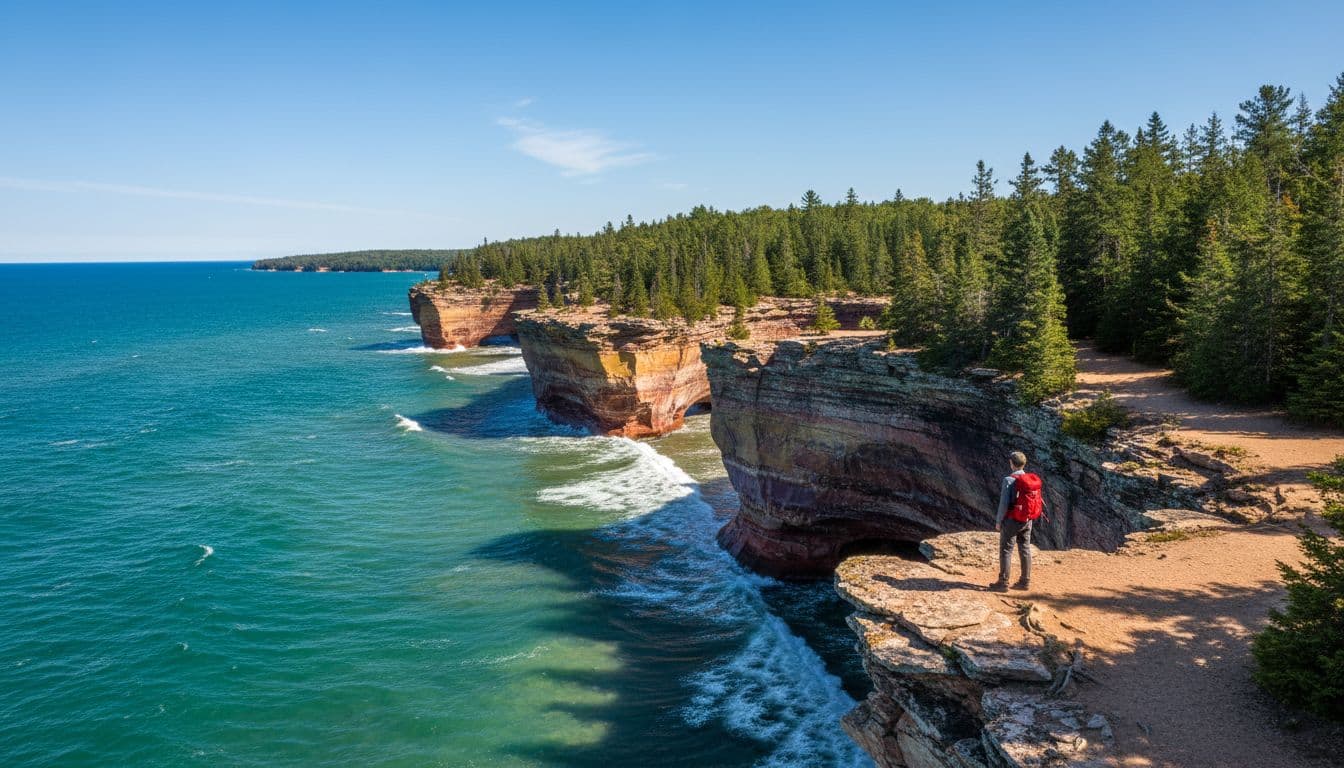
Pictured Rocks is the “wow” factor for a reason. Even short day hikes can land you on cliff-top overlooks, then drop you to beaches that look almost tropical (until you touch the water).
- Great starter hike: Munising Falls area for a short waterfall walk (when open), or a shoreline segment for cliff views.
- Season: Late spring through fall is classic, while winter turns parts of the park into a snow-and-ice adventure.
As of March 2026, the Munising Falls Trail is closed until further notice due to washout damage, so I’d check the park’s current conditions before you commit to that stop.
Planning notes I actually use:
- Entrance passes and payment details are on the official NPS fees page, and the park notes it’s cashless: Pictured Rocks fees and passes.
- If you’re going overnight, you’ll want the official permit info: Pictured Rocks permits and reservations.
- For anyone mapping a backpacking route, this PDF is gold: Backcountry camping planner.
Sleeping Bear Dunes National Lakeshore (sand climbs and Lake Michigan blues)
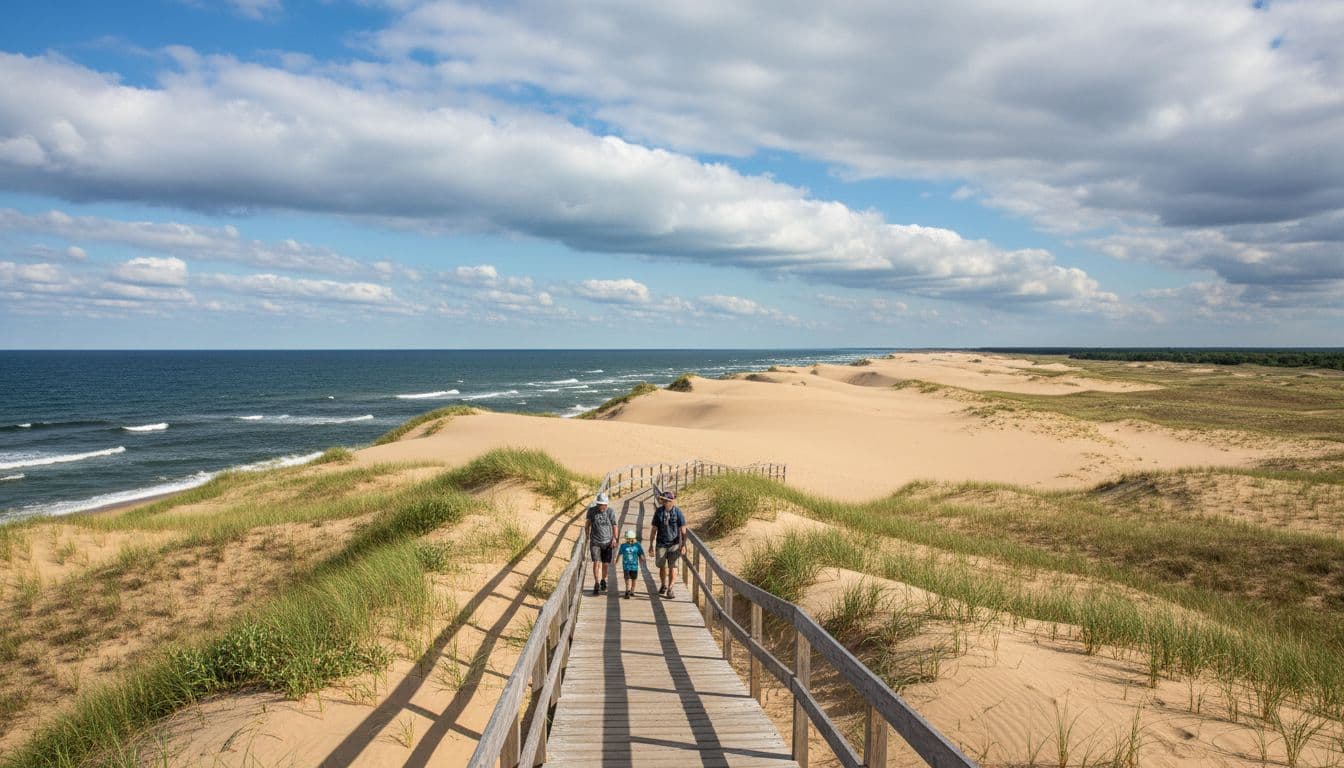
Sleeping Bear is the hike I pick when I want a “summer postcard” day. The dunes are fun, but they’re also serious. Sand turns a short distance into a slow grind.
On dune hikes, turn around when you’ve used half your water, not when you’ve used half your time.
Before any trip that involves climbing dunes or using popular areas, I scan the official park site for updates and any reservation or permit requirements: Sleeping Bear Dunes park site and permits and reservations info.
Porcupine Mountains Wilderness State Park (Lake of the Clouds and deep forest)
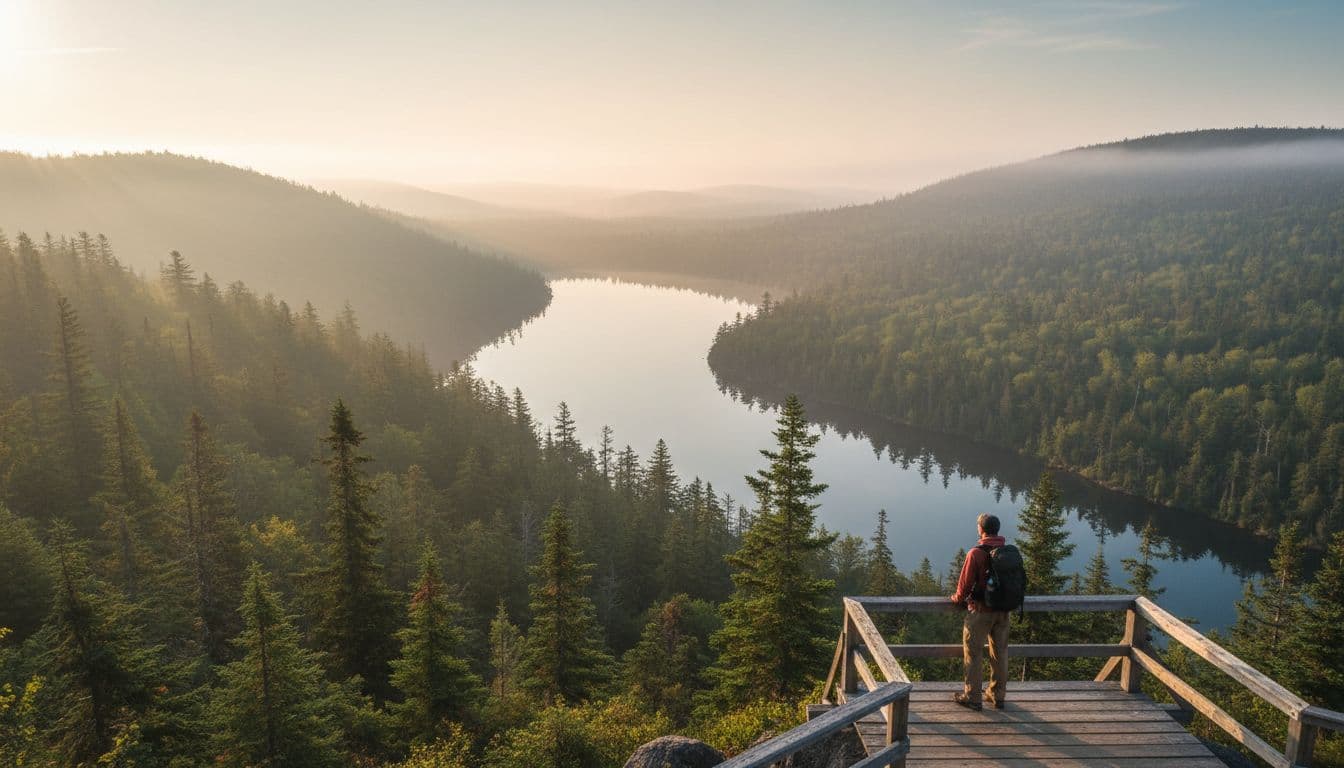
The Porkies feel like a different state. The forest is thick, the rivers move fast, and the overlooks make you stop talking mid-sentence. If you only do one big U.P. park, this is my pick.
- Don’t-miss view: Lake of the Clouds overlook, especially near sunrise or sunset.
- Best seasons: Fall colors are unreal, and summer brings long daylight hours (plus bugs).
For trailheads, alerts, and planning basics, I stick to the official park page: Porcupine Mountains Wilderness State Park info. If you’re visiting any Michigan state park, double-check entry rules before you go since requirements can change by season and location.
A few quieter hikes when I want space (but still want views)
Sometimes I want the scenery without the crowd energy. When that’s the mood, I rotate through these options. They’re still scenic, still beginner-friendly with the right mindset, and they usually feel calmer.
Nordhouse Dunes Wilderness (near Ludington) has that wild, beachy feel without the same level of infrastructure as Sleeping Bear. I go early, keep a tight grip on my trash, and expect soft sand.
Saugatuck Dunes State Park is a solid family day. The trails wind through forest, then open to Lake Michigan. It’s a good “meet everyone halfway” choice.
Manistee River Trail (Huron-Manistee National Forest) is popular with locals, yet it often feels less hectic than the headline parks. The river views are steady, and the footpath is clear. Roots and rolling hills keep it interesting.
Negwegon State Park (near Alpena) is my pick when I want shoreline and quiet. It’s more about the calm vibe than huge overlooks, which is the point.
Sturgeon River Gorge Wilderness (U.P.) is for days when I want something rugged. The gorge views are worth it, but I bring a map, start early, and don’t rush. Wet rocks here demand patience.
If you’re newer to hiking, my best advice is to choose one “stretch” hike per weekend and keep the other day mellow. Michigan rewards steady pacing.
Sample weekend itineraries I’ve used (and would use again)
Here are three simple weekends that work well for day hikers. I’m keeping them flexible on purpose, because weather can change everything.
| Weekend base | Day 1 (arrival day) | Day 2 (big hike day) | Quick planning link |
|---|---|---|---|
| Munising (Pictured Rocks) | Short shoreline walk or waterfall stop (verify closures) | Longer Lakeshore Trail segment, pack layers | Pictured Rocks fees and passes |
| Traverse City area (Sleeping Bear) | Sunset hike on an easier forest-to-lake route | Dunes day, go early, bring extra water | Sleeping Bear permits and reservations |
| Ontonagon area (Porcupine Mountains) | Lake of the Clouds overlook, golden hour | Waterfall and river corridor hiking | Porcupine Mountains park info |
If I’m planning an overnight in Pictured Rocks backcountry, I build the route around designated camp areas and keep daily mileage conservative. The official PDF makes that much easier: Backcountry camping planner.
Closing thoughts
Michigan has a rare mix of big-water drama and quiet forest miles, and that’s why I keep coming back. Start with one of the iconic parks, then sprinkle in a lesser-known trail when you want breathing room. Most importantly, pack for mud, bugs, and sudden weather, and you’ll enjoy the hike more.
If you end up loving these michigan hiking trails, it’s worth saving your routes and notes somewhere, I like publishing quick trip recaps, so I remember what worked. If you’ve been thinking about that too, here’s a practical guide on how to start a WordPress blog to share your own Michigan weekends.