Why Have Houseplants? Real Benefits, Simple Care, and an Easy Start
Table of Contents
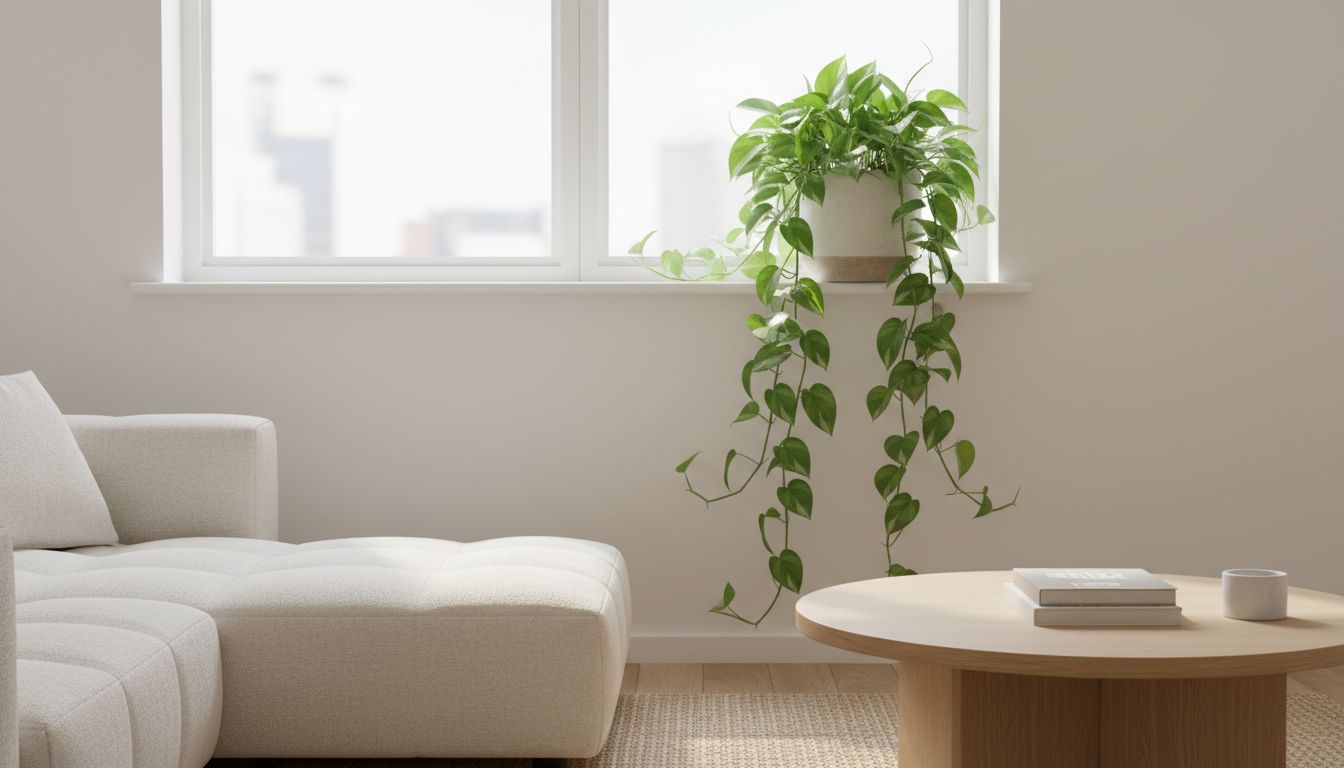
The first houseplant I kept alive was a pothos on a rental windowsill. I bought it because the room felt flat, like it needed one living thing. A week later, I noticed I was opening the blinds more, wiping the leaves, and paying attention to the light like it mattered for houseplants like my pothos.
That’s the quiet magic of greenery. The benefits of houseplants aren’t just about “decor.” These indoor plants can change how a home feels day to day, while giving you a small, satisfying routine that doesn’t ask much.
The real health benefits of houseplants (and what they won’t do)
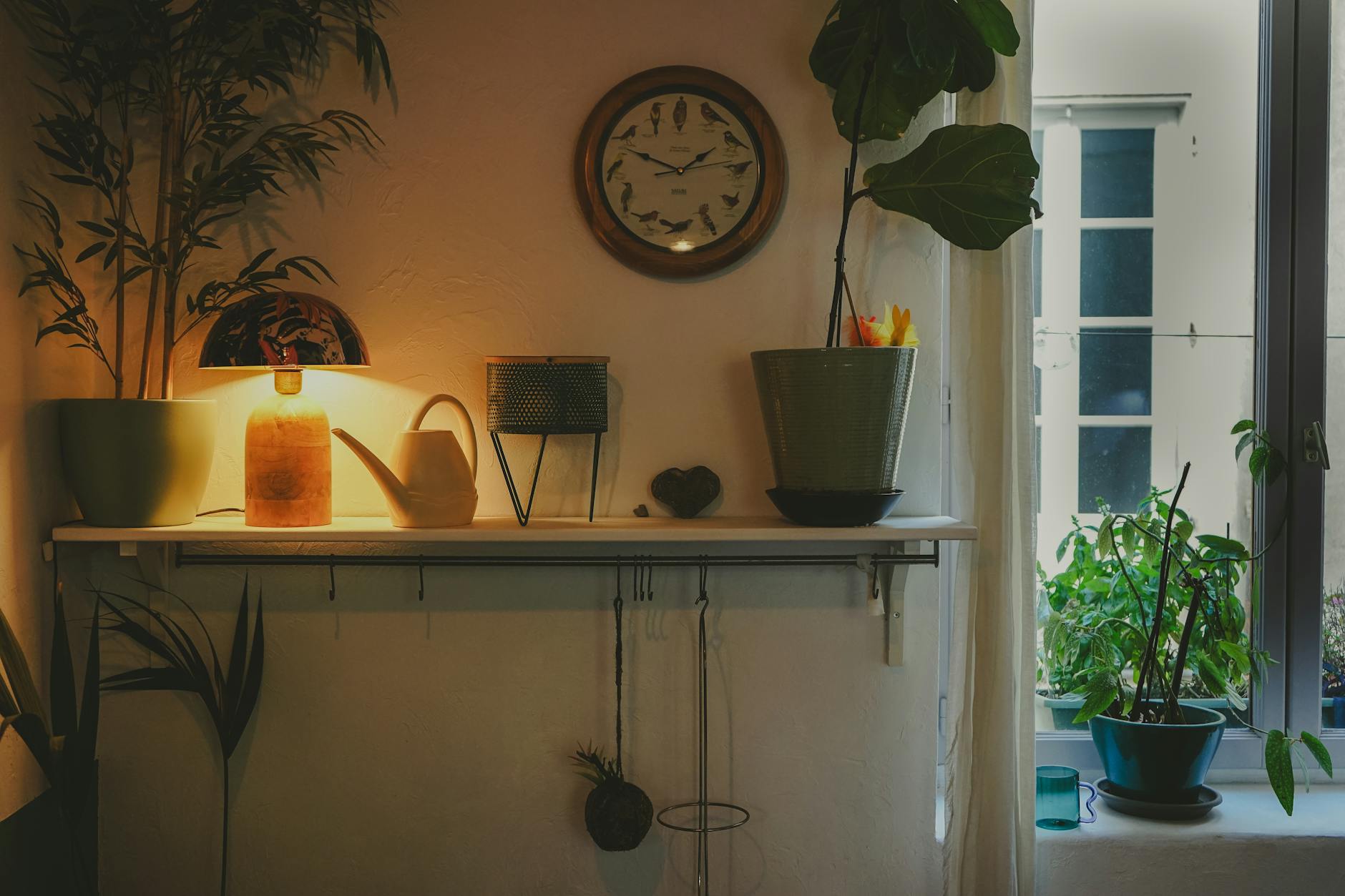
Photo by Saïmon Belloc
Let’s start with the big question people dance around: do houseplants “clean the air”? Kind of, but not the way social media makes it sound.
Research, including the NASA study, shows indoor plants can remove volatile organic compounds like benzene and formaldehyde in controlled settings, but the effect in a typical indoor environment is often modest. Your HVAC, open windows, and source control (like not smoking indoors) matter more. If you want a deeper, evidence-based overview, I like this open systematic review on effects of indoor plants on human functions. It’s a good reminder that the strongest wins are often about comfort, mood, and perception, not miracle air scrubbing.
That said, there are still real, practical reasons to keep plants:
- They make a room feel cared for. Even one plant adds a “someone lives here” signal.
- They nudge better habits. I tidy more when I’m watering, and I notice dust sooner.
- They can help reduce stress and improve mood. A green corner gives your eyes a place to rest, especially after screens.
- They add gentle structure. Watering day becomes a small rhythm in the week.
If you buy houseplants for air quality alone, you’ll be disappointed. If you buy them for daily livability, you’ll probably keep buying more.
If you’re curious about the broader research thread (air, health, well-being, and how people perceive spaces), this 2025 review is a solid starting point: the multifaceted role of indoor plants. Even skimming the abstract helps set expectations.
How houseplants change the feel of a home (especially small spaces)
I used to think plants were “extra,” like throw pillows. Then I moved into a smaller place where every object felt louder. Plants were the first thing that made the space feel softer.
Here’s what I notice most in real life:
Plants improve visual comfort. Hard edges dominate apartments and home offices. In biophilic design, leaves break up straight lines to boost productivity, concentration, and cognitive function. That matters when you’re staring at the same wall for eight hours.
They make light look better. Morning sun through a leaf looks warmer than sun on a blank shelf. In the evening, a lamp near a plant throws better shadows and makes corners feel intentional.
They help create zones. A taller indoor plant can separate “work” from “rest” without buying furniture. I’ve used indoor plants like a snake plant as a little room divider more than once.
They push you toward natural cues. You start noticing drafts, cold windows, and dry heat. That awareness, along with plants’ ability to help lower blood pressure and soothe anxiety, makes a home more comfortable.
If you want a practical, non-hyped summary of mood and wellbeing angles, UNH Extension has a nice piece on whether house plants can make you happier. It reads like advice from someone who’s seen real homes, not a staged photo shoot.
Simple care that works: light, watering, and beginner mistakes
Most people don’t “kill plants.” They mismatch the plant to the spot, then over-correct with watering.
I pick plants the same way I pick furniture: I start with the room, not the wish.
One quick guide I use is this table. It’s not perfect, but it prevents the common “low light” misunderstanding (many plants tolerate low light, fewer thrive in it).
| Your space looks like | What that usually means | Low-maintenance plants to try |
|---|---|---|
| Bright window, sun hits the floor | Bright indirect light or some sun | Pothos, rubber plant, jade (more sun) |
| Window nearby, no direct sun patch | Medium light with indirect light | ZZ plant, philodendron, snake plant |
| Few windows, lights on most days | Low light | Snake plant (low light survivor), ZZ plant (slow growth) |
Now watering, the part everyone overthinks. I stick to three basics for watering:
- Check the soil before watering, not the calendar. I push a finger in 1 to 2 inches. If it’s damp, I wait.
- Water thoroughly, then stop. I water until it drains, then I empty the saucer.
- Assume less watering in winter. Growth slows, so water needs drop; during dry-heat months, humidity drops too, which matters for plant health and your respiratory health.
Here are the beginner mistakes I see (and I’ve done all of them):
- Overwatering to “help.” Droopy leaves can mean too much water, not too little.
- No drainage. A pot without a hole is a risk unless you’re very careful.
- Changing spots weekly. Plants like steady light more than constant experimenting.
- Ignoring pests early. If you see sticky leaves or tiny webs, act fast with a gentle wash and isolation.
On air and carbon dioxide, I also keep expectations grounded. Plants can play a role, but they don’t replace ventilation. If you’re curious about measured indoor changes, this paper is worth bookmarking: effects of indoor plants on CO2 concentration and indoor air.
My rule: buy plants for joy and routine first, then treat any air benefits as a bonus.
Houseplant FAQ for real homes
What are the best plants for apartments?
I’ve had the best luck with pothos, snake plant, ZZ plant, and heartleaf philodendron. These indoor plants handle missed waterings, and they don’t need huge pots.
What if I have low light?
Low light usually means slower growth. Snake plants and ZZ plants tolerate it well, but don’t expect fast new leaves. Also, keep them closer to the window than you think.
What if I travel or I’m busy?
Choose houseplants that forgive dry soil, like snake plant, ZZ plant, or jade. Also, use a simple trick: group plants together so you can do watering in one pass.
What if I have pets?
Check toxicity before you buy. Many common plants (like pothos and peace lily) can bother cats and dogs if chewed. If your pet is a nibbler, either use pet-safe choices or place plants on higher shelves.
Start here: my simple first-time buyer plan
Follow this straightforward plan to get started successfully with indoor plants.
- Pick the location first. Stand there at 9 a.m. and 3 p.m. for two days, then judge the light.
- Buy one tough plant. I’d choose pothos for medium light, or snake plant for low light.
- Use a pot with a drain hole. Add a saucer, and empty it after watering.
- Set one weekly check-in. Not a watering day, just a “soil and leaves” day.
Conclusion
The biggest reason I keep plants is simple: they make home feel more alive, even on boring weeks. The benefits of houseplants and their health benefits add up through small, long-term wins like improved physical health and memory retention from keeping a garden indoors, a greener view while making coffee, a quick watering break between tasks, a little pride when a new leaf unfurls. Start with one indoor plant in one spot, learn its rhythm, then build from there. If you want your place to feel calmer and more personal, a houseplant is one of the easiest ways to get there.