Colorado Hiking Trails I Keep Coming Back To Plus 2026 Planning Tips
Table of Contents
Colorado has a way of making “a simple hike” feel like a small expedition. One minute you’re walking through pine shade, and the next you’re staring at a ridgeline that looks painted onto the sky. If you’re building a trip around colorado hiking trails, I get it. I do the same thing every season.
In this guide, I’m sharing the trails I recommend most (iconic and quieter), plus the logistics that can make or break a day outside in 2026: reservations, closures, snow, and smoke. I’ll keep it practical, because nobody wants to drive two hours to find a closed gate.
A quick comparison of standout Colorado hiking trails
Here’s a side-by-side look at trails that cover a range of regions and effort. Distances and elevation gain are approximate, and they can vary by route and GPS.
| Trail (Area) | Distance (RT) | Elevation gain | Difficulty | Best season | Nearest town |
|---|---|---|---|---|---|
| Emerald Lake (Rocky Mountain NP) | 3.2 mi | 650 ft | Easy to moderate | Jun to Oct (snowy in shoulder season) | Estes Park |
| Sky Pond (Rocky Mountain NP) | 9.4 mi | 1,780 ft | Hard | Jul to Sep | Estes Park |
| Crater Lake (Maroon Bells, Aspen) | 3.6 mi | 730 ft | Moderate | Jul to Sep (aspens in Sep) | Aspen |
| Hanging Lake (Glenwood Canyon) | 2.4 mi | 1,200 ft | Hard (steep) | May to Oct | Glenwood Springs |
| Mesa Arch (Canyonlands viewpoint style, CO side equivalent: easy desert arch hikes near Fruita) | 0.6 mi | 50 ft | Easy | Mar to May, Sep to Nov | Fruita |
| High Dune (Great Sand Dunes area) | 2.5 mi | 700 ft | Moderate | Apr to Jun, Sep to Oct | Mosca / Alamosa |
The takeaway: I plan one “hero” hike (Sky Pond, Hanging Lake, a big alpine day), then balance it with a shorter trail that still feels special (Emerald Lake, desert arches, or dunes at sunrise). That mix keeps the trip fun, even if weather or reservations force a pivot.
Iconic trails that earn their reputation (and how I hike them sanely)
Some Colorado hikes are famous for a reason, but popularity changes the strategy. I treat these like concerts: I either arrive early, or I pick a weekday, or both.
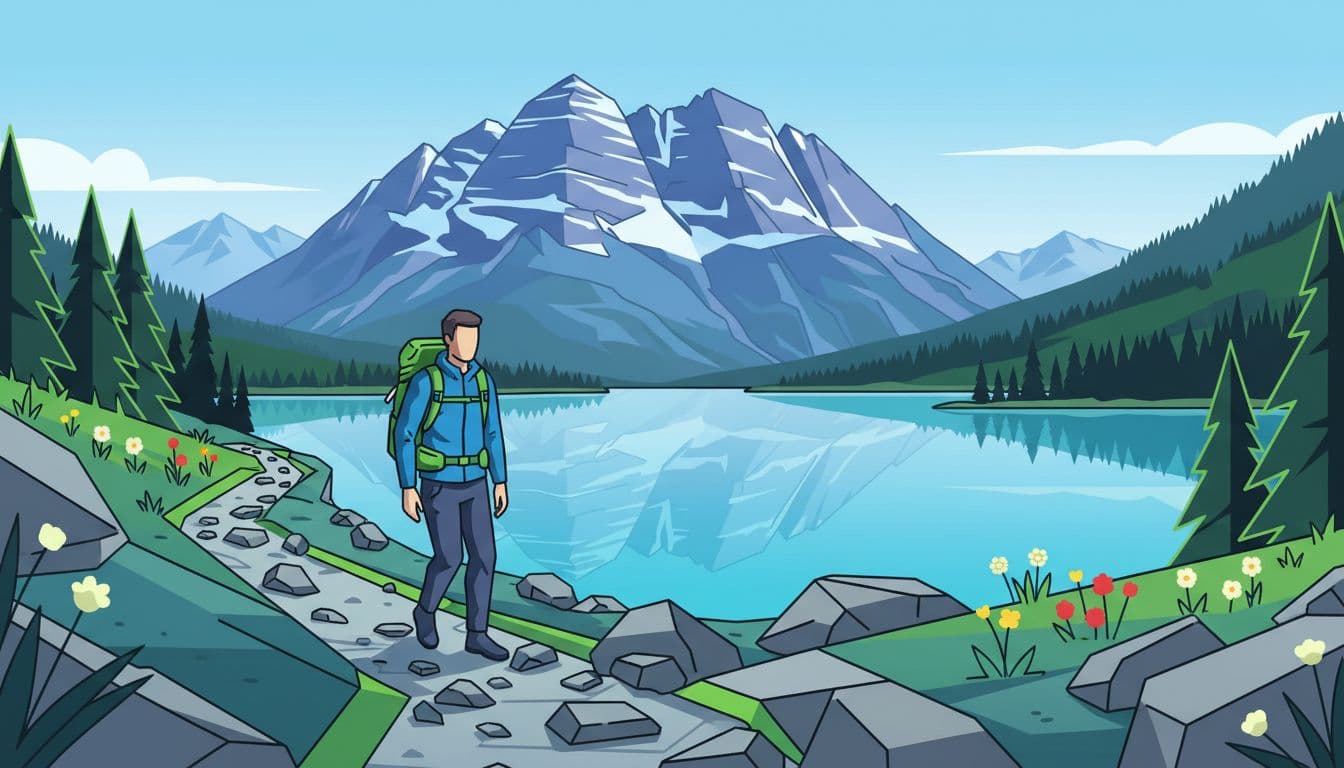
Maroon Bells to Crater Lake is my “postcard” pick. The trail climbs steadily, but it’s not brutal. What gets people is timing and access. In peak season, parking and shuttles can dictate your whole morning, so I decide my transport plan before I even book lodging. Once I’m on trail, I slow down and sip water often. Altitude sneaks up on visitors.

Photo by Alex Moliski
In Rocky Mountain National Park, Emerald Lake is the classic “big reward for moderate effort” hike. On busy weekends, the Bear Lake corridor can feel like a small town. If I want the same alpine vibe with fewer elbows, I start at first light or go after 3 p.m. (then I bring a headlamp and commit to a steady pace back).
Sky Pond is a different animal. I love it, but I don’t treat it casually. Expect snowfields early and late in the season, plus short scrambles near the end. I also keep dogs off my RMNP plan because pets aren’t allowed on park trails. That rule surprises a lot of people.
If a trail is “short but steep,” I respect it more, not less. Hanging Lake is the perfect example.
Finally, Hanging Lake near Glenwood Springs is steep for its mileage, with a permit system. I carry more water than the distance suggests, and I take short rest breaks instead of long sits that cool me down too much.
Quieter alternatives when I want space (and still want wow)
Crowds don’t ruin a hike, but they change the feel. When I want that “just me and the wind in the trees” vibe, I aim for less-famous trailheads, shoulder days, and routes with more than one good viewpoint.
Near Nederland, I like high-country hikes in the Indian Peaks area once summer snow finally clears. The scenery hits fast: lakes, peaks, and the kind of air that makes every sip of coffee taste stronger. Because parking fills early on weekends, I build a backup plan that starts from a different trailhead in the same zone.
On the Front Range, I’ll take Staunton State Park over a headline trail when my goal is a calm day. The trails are well-marked, and the terrain lets me adjust effort on the fly. If friends visit from sea level, that flexibility matters.
Out west, desert hiking is my secret weapon for spring and fall. Fruita and the Grand Junction area offer dry trails, big horizons, and less weather drama than the alpine. I still pack layers, though, because desert wind can cut right through a light shirt.
One more trick: I choose hikes with multiple “turnaround wins.” In other words, if weather turns, I can still leave happy after a lake, an overlook, or a rock formation, without needing to reach the final destination.
Easy hikes near Denver and Boulder (plus how I acclimate)
When I land in Colorado, I don’t try to “earn” a 12,000-foot hike on day one. I warm up close to town, then climb higher over a couple days. Think of it like easing into a cold pool, not cannonballing.
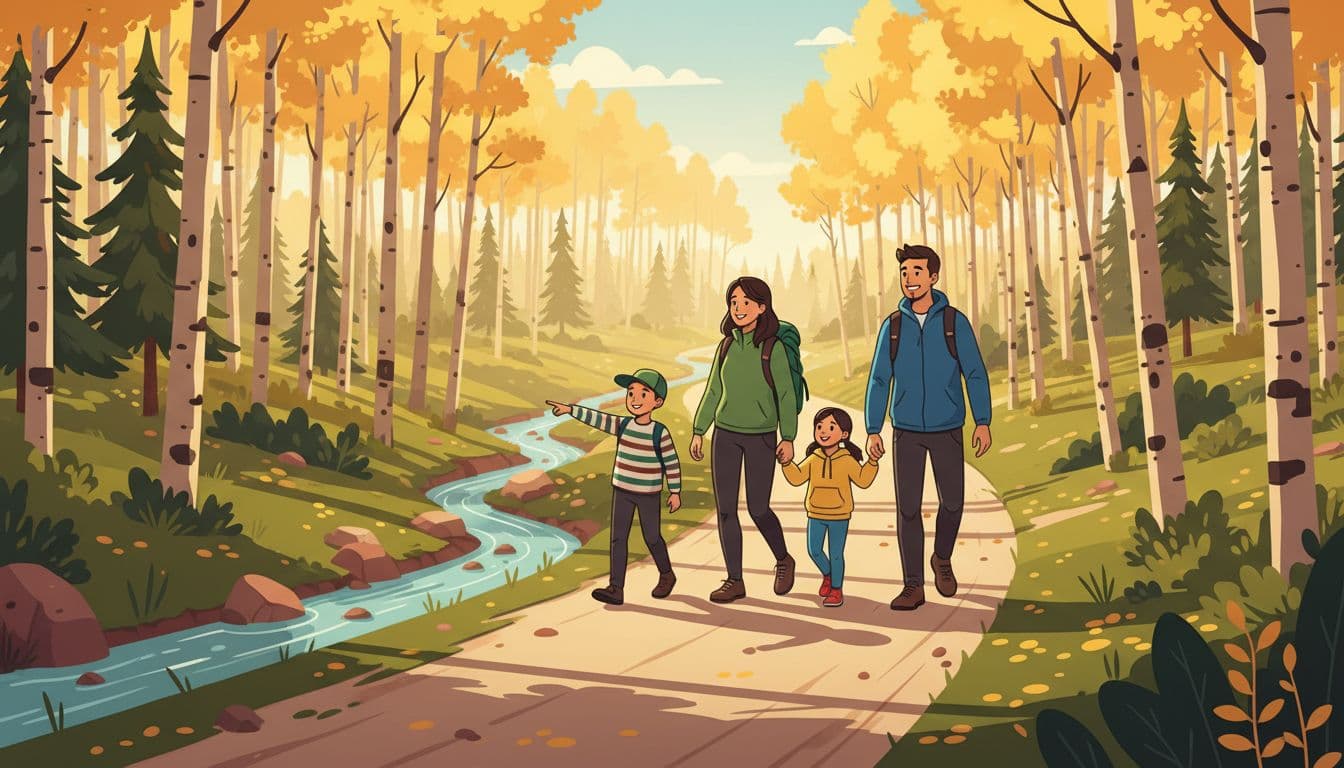
For families, I like trails that feel like a walk with bonuses: creek sounds, aspen groves, and spots to snack without standing in the middle of the path. Around Boulder, the Chautauqua area can be busy, yet the payoff is immediate. In Golden and Morrison, I go for rolling foothill trails that keep kids engaged without a long grind.
Acclimation is simple, but I’m strict about it:
- The first day, I stay hydrated and keep the hike shorter than I “could” do.
- The second day, I add elevation, not speed.
- On bigger days, I eat earlier than I think I need to, so I don’t bonk on the climb.
March 2026 note if you’re hiking near Boulder: local closures can pop up fast for wind and fire danger. Recent updates reported Boulder County trails west of Highway 36 were closed through March 14, with reopening expected March 15, so I always check the latest alert before I drive.
2026 planning realities: timed entry, snow, and wildfire smoke
Reservations are part of hiking in Colorado now, especially around marquee trailheads. For Rocky Mountain National Park, timed entry is staying in place for 2026. I watch the official announcement and dates on the NPS 2026 timed entry news release, then I confirm the exact rules on the RMNP timed entry permit system page before I commit to a travel day. Rules can shift, and the Bear Lake access option matters for hikers.
Closures happen for good reasons, too. In RMNP, seasonal area closures protect wildlife and fragile terrain, so I check the Rocky Mountain National Park closures page when I’m choosing routes.
Snow sticks around longer than most visitors expect. As of March 2026, reports noted snow and ice on all RMNP hiking trails, with deeper snow at higher elevations. That’s when I pack traction (microspikes) and I’m willing to swap my route for something lower.
Wildfire and smoke are the other wild card. If the air looks hazy, I check the forecast and keep an eye on AQI. When smoke is high, I stay closer to town, shorten the day, and pick a trail with easy exits.
My rule: if thunder builds or smoke thickens, I turn around early and call it a win. The mountain will still be there tomorrow.
Conclusion
Colorado rewards good planning, and the best days usually come from simple choices: start early, respect altitude, and keep one backup trail in your pocket. Whether I’m chasing alpine lakes or strolling a foothill loop, I focus on conditions first, not my ego. If you’ve got a favorite from your own Colorado list, I’d love to hear it, because I’m always looking for the next trail that feels like a secret.