Michigan Forest History: From Ancient Pines To Second-Growth Woods
Table of Contents
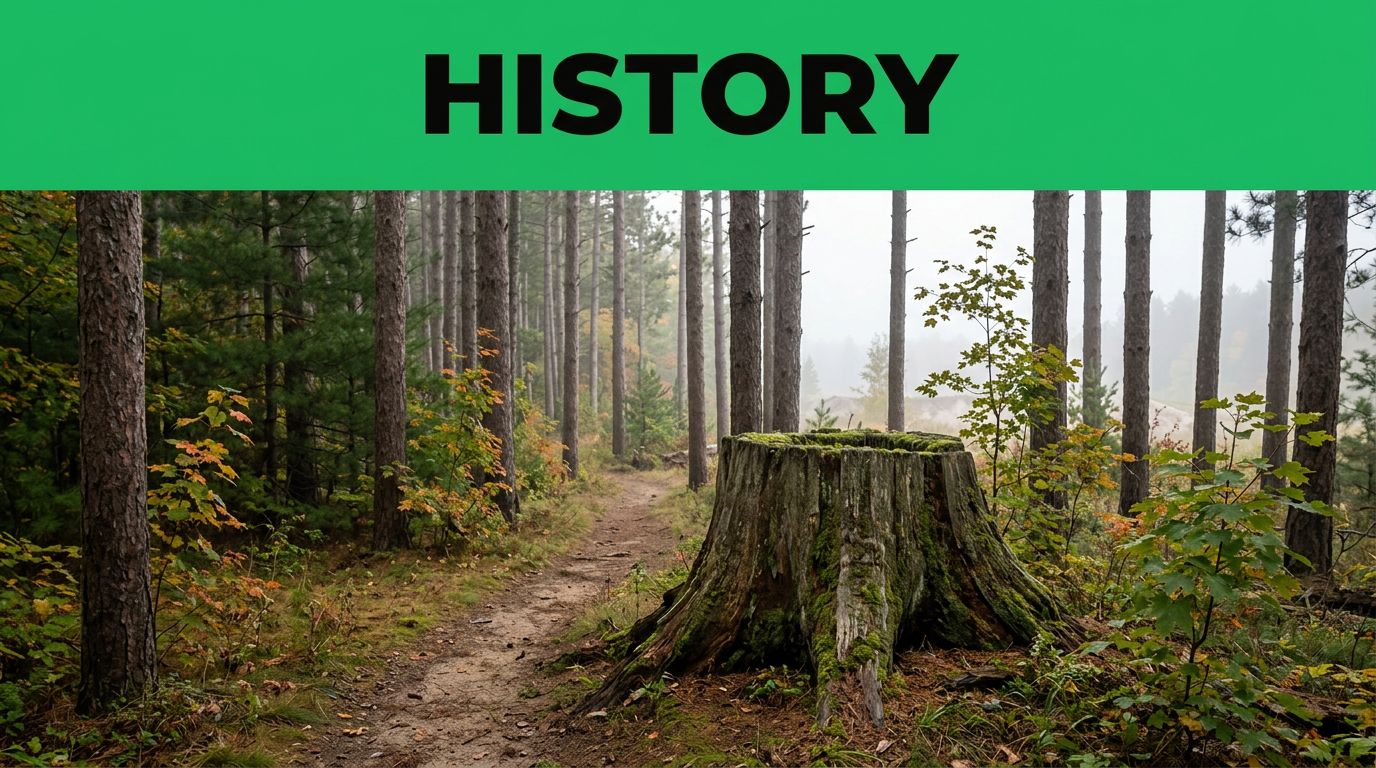
The first time I really noticed michigan forest history wasn’t in a museum. It was on a quiet trail, when I spotted an old, mossy stump the size of a kitchen table. The trees around it looked “wild,” yet that stump told a different story.
Michigan’s forests have been cut, burned, replanted, protected, and argued over for more than a century. If you know what to look for, the woods still carry receipts: straight rows of pines, charcoal in the soil, even old grades where logging railroads ran.
I’m going to walk through the big eras, explain a few key terms, and end with what people are debating right now (as of March 2026).
Before the saws: ancient forests shaped by ice and time
Long before towns and two-tracks, glaciers set the stage. As the last ice sheet pulled back, it left sandy outwash plains, moraines, and wet basins that later became bogs and lakes. Those landforms still decide where pine thrives and where maple wins.
For thousands of years, Indigenous peoples lived with these forests and managed them as part of a broader food system. Fire played a role too, sometimes from lightning, sometimes from people, often keeping pine and oak more common in certain places. In other words, “natural” didn’t mean untouched.
By the time European settlement expanded in the 1800s, Michigan held vast stands of white pine and hemlock in many areas, plus hardwoods like sugar maple and beech. That mix varied by soil and moisture. It also varied by disturbance, because wind, insects, and fire reshaped patches over time.
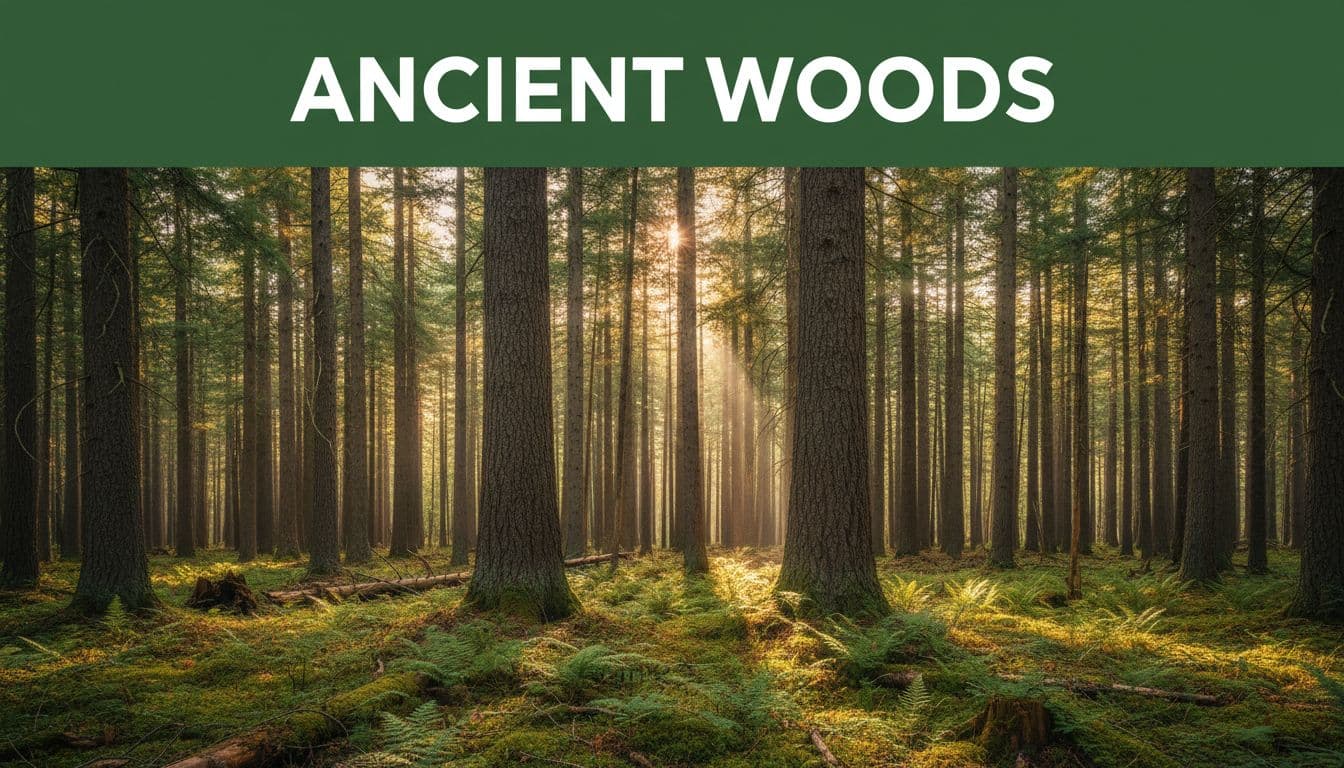
When I picture this era, I think of forests as cathedrals. The trunks were columns, and the canopy set the ceiling height. That’s the baseline Michigan later tried (and struggled) to rebuild.
The logging boom (1850s to early 1900s) and the “cutover” era
Michigan’s big logging surge took off in the mid to late 1800s, when white pine became a building material for a growing nation. Winter camps, river drives, and later rail spurs made it possible to remove timber fast. If you want a clear primer on how that system worked, Michigan Tech’s overview of Michigan’s logging era is a solid starting point.
Two terms matter here:
- Cutover: land that’s been heavily logged, usually left with stumps, slash (branches and tops), and scattered “left-behind” trees.
- Second-growth: the forest that regrows after logging (or farming), often with different species and structure than the original stand.
The cutover years weren’t just ugly, they were dangerous. Dry slash and open ground turned much of northern Michigan into a match pile. The Great Michigan Fire of 1871 and the Thumb Fire of 1881 are reminders that logging and fire often traveled together. In many places, repeated burns kept trees from returning, which pushed some land into scrub, grass, or failed farms.

A quick timeline helps keep the pace of change straight:
| Era | What changed in Michigan forests | What you can still see today |
|---|---|---|
| Pre-1800s | Indigenous stewardship, natural fire and wind disturbances | Pine barrens, oak openings, old cultural landscapes |
| 1850s to 1900 | Industrial logging expands, then peaks and declines | Old stumps, rail grades, “wolf trees” left in fields |
| 1900s to 1940s | Tax-reverted lands, public forest growth, CCC work | Pine plantations, fire breaks, early forest roads |
| 1950s to now | Second-growth matures, management becomes more science-driven | Mixed-age stands, habitat projects, active timber sales |
The takeaway: Michigan didn’t “lose” its forests once. Many areas got hit, burned, and reset multiple times.
For a broader, plain-language summary of how forestry developed after settlement, I also like MSU’s page on the history of Michigan’s forestry industry.
When I walk second-growth today, I try to spot what’s missing, not just what’s there. The gaps tell the story.
Rebuilding the woods (1900s to 1940s): state forests, USFS lands, and the CCC
After the logging crash, a lot of land failed as farms. Taxes went unpaid, and counties and the state ended up with huge areas of “tax-reverted” acreage. That shift matters because it helped create the modern public-lands map.
Michigan’s conservation agencies also evolved over time. Landmark dates and reorganizations show up in this historical document, DNR organization timeline, which is helpful when you’re trying to track who did what, and when.
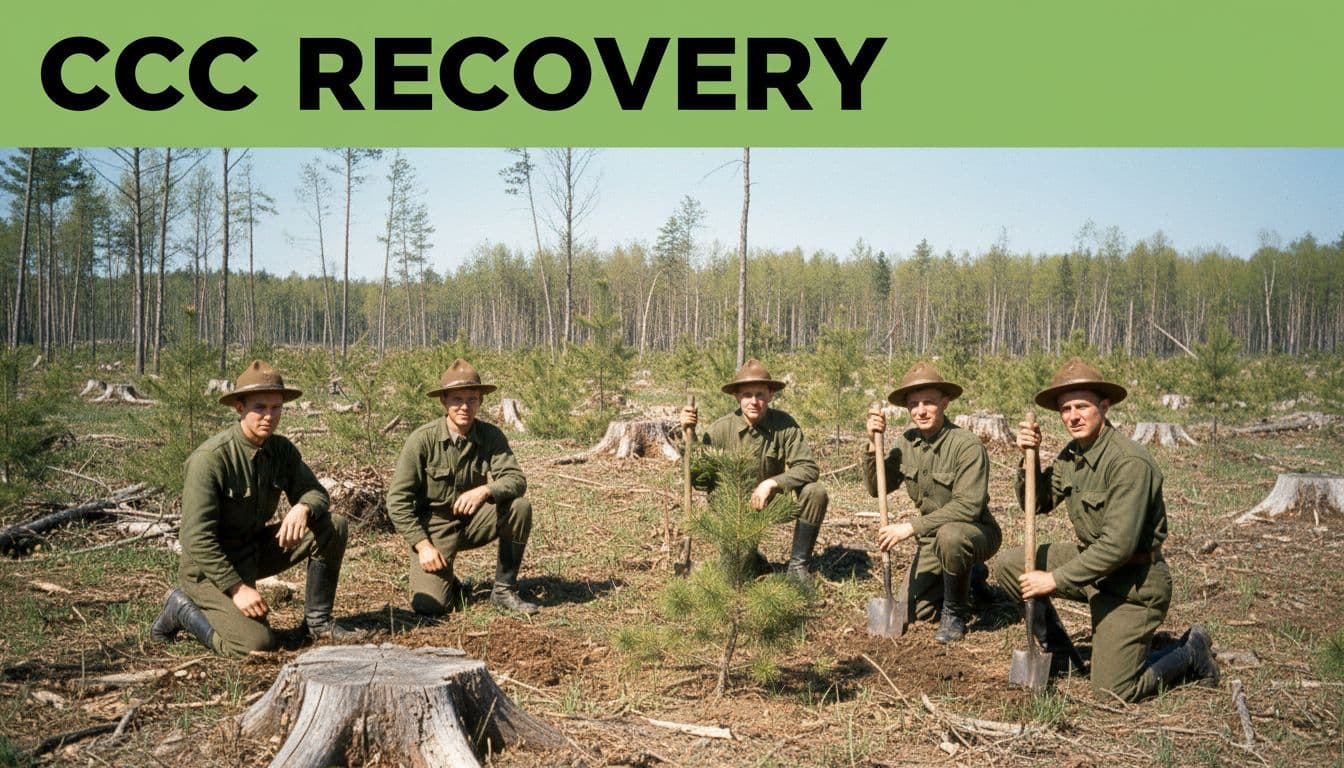
On the ground, the 1930s brought one of the most visible chapters: the Civilian Conservation Corps (CCC). CCC crews planted trees, built roads, fought fires, and improved recreation sites. Those straight, uniform pine rows you see in some state forests often trace back to that era. They don’t look “natural,” yet they were a practical response to a battered landscape.
Ecological impacts that still ripple today
Forest recovery wasn’t just about “more trees.” It changed how ecosystems work.
Second-growth often brought:
- Different biodiversity: Aspen and young hardwoods increased in many areas, which shifted bird and plant communities.
- Soil and water effects: Repeated burns and erosion could thin topsoil, while regrowing forests later stabilized it.
- Wildlife reshuffles: Early successional habitat helped some species, while old-growth-dependent species lost ground.
In short, the forest came back, but it came back altered. That’s why many modern management plans talk about “structure” (age classes, dead wood, canopy layers), not only acres.
For an official, Michigan-specific read on how state forests formed and how management evolved, I’ve bookmarked the Michigan DNR’s State Forest Management Plan history section (PDF).
Michigan forests today: mature second-growth, climate stress, and loud debates
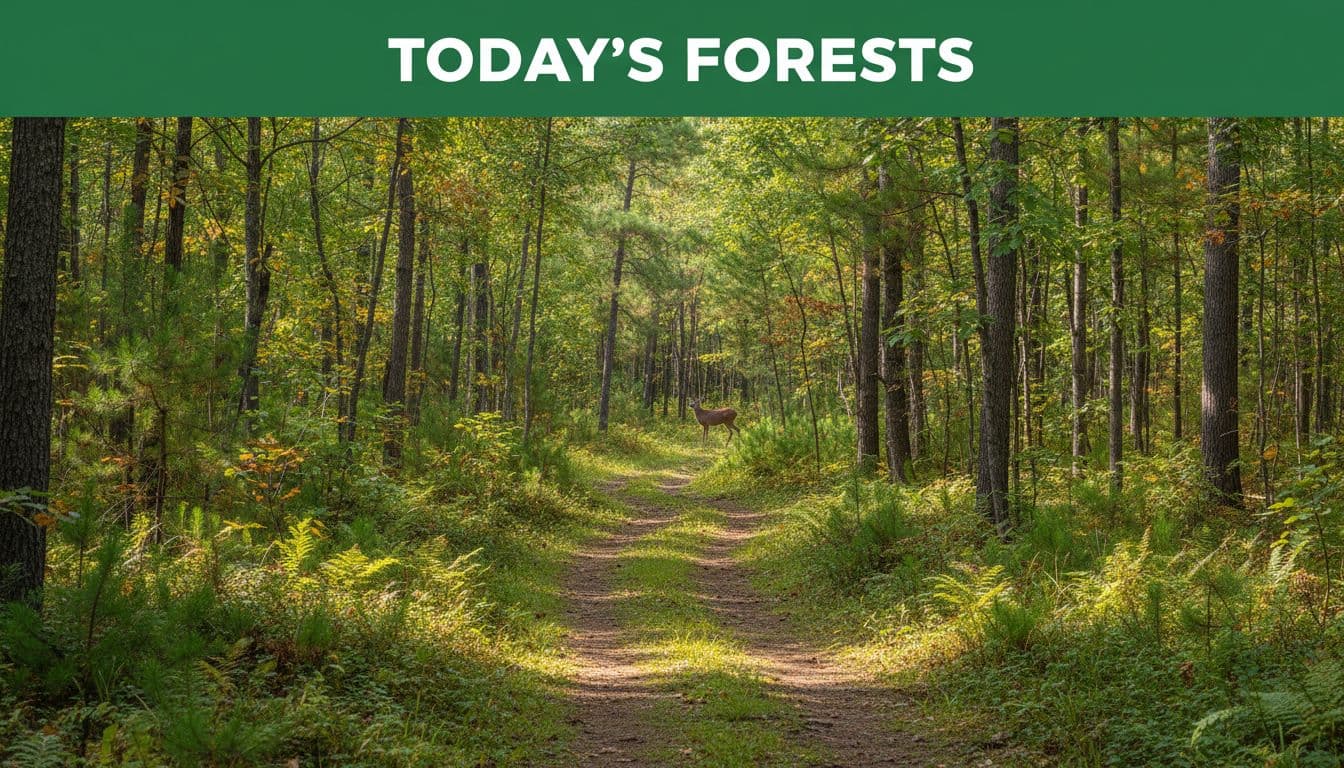
Most of what I hike now is second-growth that has had time to thicken up. In some spots, it feels old again. Still, new pressures keep showing up, including invasive pests, warmer winters, heavy rain events, and wind or ice damage.
Present-day management debates (March 2026 snapshot)
Right now, the loudest arguments I’m hearing are about scale, speed, and what “forest health” means in practice.
As of March 2026, a major flashpoint is a US Forest Service plan in Ottawa National Forest called the Silver Branch project. Reporting around the plan highlights proposed logging across a very large footprint, plus road work and habitat actions (including items tied to species like Kirtland’s warbler). Supporters frame it as long-term stewardship that reduces risk from pests, disease, and fire. Critics worry about carbon loss, older trees, and sensitive habitat, including concerns tied to the northern long-eared bat. Objections are open this month, with work potentially starting in summer 2026 if approved.
At the state level, Michigan is also working through storm impacts. An ice storm damaged a huge area of state forest land, and it has slowed planning so agencies can assess conditions and update priorities.
If you want a deeper dive into the story of public stewardship, Michigan State University Press has a book page for Michigan’s state forests that’s worth a look.
One small, practical tip: when I’m trying to understand a local timber sale or restoration project, I focus on the “why” section first. Then I check what habitats they claim to improve. That cuts through a lot of noise.
If you like documenting these trips, keeping your own notes helps. I’ve found that publishing simple trail observations (photos, dates, what changed year to year) can build a personal record. If you ever want to put that online, this guide on How to Start a WordPress Blog in 6 Easy Steps makes it pretty painless.
Conclusion: reading the woods like a living archive
Michigan’s forests aren’t frozen in time, they’re a living archive of ice, fire, axes, policy, and regrowth. Once I learned what cutover and second-growth really mean, I started seeing history on every hike. Next time you’re out, look for the straight pine rows, the old stumps, and the patchy ages in one stand. Then ask yourself what you want Michigan’s forests to look like 50 years from now, because the choices being made today will become the next chapter of michigan forest history.